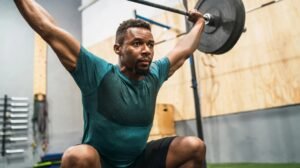

Physical fitness refers to the body’s ability to maintain sufficient strength, agility, and flexibility to perform daily activities, thereby conserving energy and preventing fatigue. It’s not just about body shape or form, but more importantly, how efficiently the body functions in daily life. Good physical fitness means a balanced development of cardiovascular endurance, muscle strength, flexibility, and body composition. It enables people to move more easily, stay healthy, and enjoy a fulfilling and busy life. Physical fitness isn’t achieved overnight; it requires a long-term commitment and is gradually achieved through a healthy diet and a positive attitude toward exercise.
Key Elements of Physical Fitness
Physical health consists of several key components, each of which contributes to better overall body function. Cardiorespiratory endurance measures the ability of the heart and lungs to deliver oxygen during prolonged exercise. Muscular strength and endurance determine how much force muscles can generate and how long they can sustain physical activity. The range of motion of joints depends on your flexibility, which helps prevent stiffness and injuries. Body composition, which is the ratio of body fat to lean body mass, affects your health and energy levels. All of these aspects should be incorporated into a successful fitness plan to achieve a healthy and balanced body.
Why Physical Fitness Is Important for Health
Regular exercise is one of the best ways to maintain excellent health. Exercise strengthens heart function, improves circulation, and increases lung capacity. It also lowers cholesterol, regulates blood pressure, and helps prevent diseases such as diabetes, heart disease, and obesity. Good physical condition also helps strengthen the immune system, enabling the body to fight infections and recover more quickly from illness. In addition to the physical benefits, staying active helps maintain mental and physical balance. It increases endorphin production, which makes you feel better and less stressed. Simply put, good physical condition ensures you live a better and longer life.
The Role of Nutrition in Health
Exercise alone isn’t enough for optimal health; nutrition is just as important. To maintain excellent performance and recover from exercise, the body needs a balanced diet. A diet rich in fruits, vegetables, lean proteins, whole grains, and healthy fats provides the energy you need to repair muscles. Staying properly hydrated is also crucial for maintaining performance and preventing fatigue. Poor eating habits, on the other hand, can lead to weight gain, fatigue, and even health problems. A healthy diet and regular exercise ensure that the body receives all the nutrients it needs for optimal performance.
How to Start Building Physical Fitness
For beginners, the most important thing is to progress gradually and persevere. Setting achievable goals builds confidence and improves training efficiency. Start with simple exercises like walking, stretching, or light muscle training. Gradually increase the difficulty and variety of exercises to keep your body active and prevent fatigue. Consistency is more important than striving for perfection. In the long run, regular, moderate exercise is more beneficial for physical and mental health than occasional, intense exercise. Paying attention to your physical health is crucial; rest and recovery are essential components of any exercise program. These small habits, built over time, form a solid foundation for lifelong health.
Physical Fitness Across All Ages
Everyone should maintain excellent physical fitness, regardless of age. For children, fitness supports growth and development, coordination, and strong bones. For adults, fitness helps manage stress, maintain vitality, and prevent chronic diseases. Fitness helps seniors maintain their freedom, mobility, and mental health. Different stages of life may require different training methods, but the basic principle remains the same: regular exercise keeps the body and mind in optimal condition. Regardless of your age, you should never stop exercising. With professional guidance, everyone can benefit from personalized training plans tailored to their needs and goals.
Creating a Sustainable Fitness Lifestyle
Developing a fitness plan that fits your daily life is essential for long-term benefits. Fitness shouldn’t be an obligation but something enjoyable. A workout schedule that includes a variety of activities, such as aerobic exercise, strength training, and flexibility exercises, keeps it fun and healthy. Rest days are just as important for growth and recovery. Integrating movement into your daily life, such as walking instead of driving or taking the stairs, is another way to maintain your long-term health. Our goal isn’t short-term perfection but a fulfilling lifestyle that improves your physical and mental well-being throughout your life.
Conclusion
Maintaining health is an ongoing process that affects every aspect of your health and well-being. It’s not just about exercise; it’s a holistic approach that encompasses nutrition, rest, movement, and mental health. Good physical condition allows the body to function better, helps people manage stress, and reduces the risk of chronic diseases. Regardless of your age or fitness level, starting and maintaining a workout routine will bring you many benefits. The most important thing is to persevere, pay attention to your body, and enjoy the process of becoming stronger and healthier every day.
FAQs
1. What are the most important aspects of maintaining a healthy body?
Cardiovascular endurance, muscle strength, flexibility, and body composition are among the most important aspects. These are all beneficial for your health.
2. How often should I exercise to stay in shape?
Most experts recommend at least 150 minutes of moderate-intensity exercise per week, plus two strength-training sessions per week.
3. Can I achieve a better body without going to the gym?
Yes, simple forms of exercise like yoga, walking, cycling, or working out at home can help you get a better body without joining a gym.
4. How does positive physical health affect your mental health?
Regular exercise releases endorphins, which make you feel better, reduce stress, and improve your concentration—all benefits for your mental health.
5. Is it never too late to start exercising?
It’s never too late. Everyone, regardless of age, can start exercising at their own pace, and even small, regular efforts can have a significant impact on your health.