
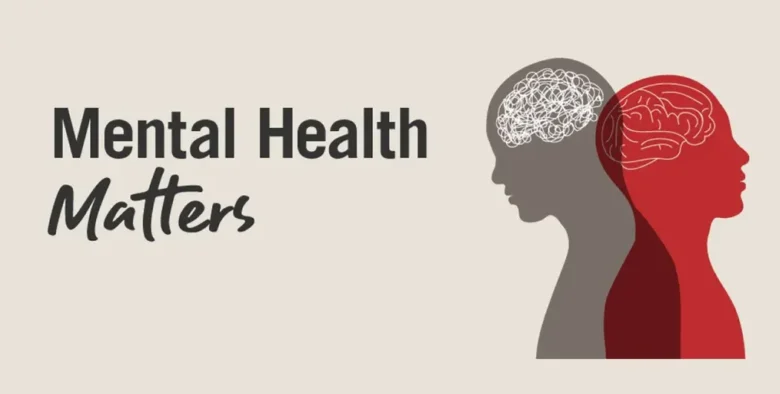
In today’s fast-paced life, stress and anxiety are almost ubiquitous, making mental health more important than ever. Mental health refers to a positive mood, clear thinking, and the ability to cope with the ups and downs of daily life. It strengthens relationships, motivates you, and provides you with purpose in life. Mental health helps you cope with stress, overcome obstacles, and maintain a balanced mindset. However, many people neglect the mind-body connection, focusing primarily on physical health. Mental health is essential for happiness, productivity, and a sense of accomplishment. Let’s define mental health, explore why it’s vital, and learn how to improve your life by enhancing your mental health.
Understanding Mental Health:
Mental health encompasses emotional, psychological, and social well-being. It influences your daily thoughts, feelings, and behaviors. Positive mental health doesn’t mean you’re always happy—it means you can face life’s challenges and recover from setbacks. It includes a sense of purpose, relationships, and self-acceptance. Mentally healthy people are confident, make better decisions, and participate more actively in social activities. Stress, fatigue, and loneliness can all stem from poor mental health. Understanding that mental health changes with life, relationships, and stress is crucial. Daily mental health care contributes to emotional stability and well-being.
The Value of Mental Health:
A balanced and fulfilling life begins with mental health. It impacts everything from relationships and work to overall well-being. A healthy mind helps regulate emotions, make clearer decisions, and face challenges with confidence. Excellent mental health enhances creativity, productivity, and empathy. It also promotes stress management, crucial in today’s fast-paced society. Neglecting mental health can lead to fatigue, anxiety, and even headaches, heart problems, and a weakened immune system. Prioritizing mental health improves quality of life and strengthens relationships. Good mental health allows you to thrive, not just survive, with a balanced, purposeful, and positive mindset.
Positive Signs of Mental Health:
Recognizing signs of mental health helps assess your progress. Mental health allows you to remain calm and focused, coping with daily stress without feeling overwhelmed. You can enjoy simple pleasures and have meaningful relationships. You also possess resilience, able to recover from setbacks without losing hope. Mentally healthy individuals are self-aware, optimistic, and adaptable; they accept life’s challenges but cope with them positively. They sleep better, eat healthier, and exercise more, all of which contribute to improved mood. Self-care, positive thinking, and self-support cultivate these qualities. You can determine if you need treatment by monitoring your mental and emotional state.
Factors Affecting Mental Health:
Many factors influence mental health, and understanding them can help you make better decisions. While genetics, brain chemistry, and physical health are important, diet, exercise, and sleep are equally important. Relationships, environment, and social support all affect your mood. A strong support system with family and friends can help you through stressful times, but loneliness can exacerbate tension and anxiety. Work stress, financial problems, and lack of sleep can also harm mental health. Your mindset—how you see yourself and how you manage problems—is also crucial. Healthy coping mechanisms, such as mindfulness practice, journaling, and talking to trusted friends, can be helpful. Understanding these influencing factors can help you maintain and improve your mental health.
How to Improve Mental Health:
Self-awareness, lifestyle changes, and emotional care can improve mental health over time. First, schedule time for hobbies you enjoy, such as reading, sports, or outdoor activities. Exercise releases endorphins, which boost mood. Sleep and diet affect brain function and emotional balance, so they are equally important. Meditation and deep breathing can relieve stress and soothe the mind and body. Maintaining contact with loved ones, practicing gratitude, and setting reasonable goals can also boost motivation. If needed, consult a therapist or counselor. Consistently completing small daily tasks can also improve mental health and enjoyment of life.
The Interaction Between Mental and Physical Health:
Mental and physical health are inextricably linked and profoundly influence each other. Stress, anxiety, and depression can lead to fatigue, muscle tension, and a weakened immune system. However, regular exercise, adequate nutrition, and sufficient relaxation can promote mental health. Physical activity can release endorphins, which make us feel positive. Sleep regulates mood and cognitive function, while a healthy diet provides nutrients that are beneficial for the brain. Neglecting mental health can lead to overeating, smoking, and substance abuse, which harm physical health. Mental and physical health complement each other and form a virtuous circle that ultimately leads to a healthier and happier life.
Why Mental Health Is So Important:
Mental health means thriving in all aspects of life, not just avoiding stress. Your performance at work, school, and in relationships depends on it. Wholesome mental health allows you to think clearly, manage your emotions, and maintain balance in stressful situations. This balance helps you make wiser decisions, communicate better, and connect with others. Lasting happiness requires self-confidence and inner peace, and mental health is essential for developing these qualities. Prioritizing mental health means being honest about your feelings, setting boundaries, and knowing when to rest or seek help. This isn’t selfishness—it’s crucial for increasing productivity, fostering creativity, and strengthening emotional resilience. Daily mental health care can help you build a healthier and more meaningful life, now and in the future.
Conclusion:
Mental health is inextricably linked to a healthy, balanced, and fulfilling life. Mental health impacts all facets of life, including stress management, relationships, and goal setting. You can improve your mental health through simple, consistent behaviors that help you feel more focused, connected to others, and in control of your life. Permit yourself to seek support, take breaks, and prioritize self-care without shame. When you are mentally healthy, everything becomes easier and more fulfilling. Investing in your mental health today means a brighter, calmer, and more resilient future. Take a deep breath, slow down, and prioritize your mental health every day—you deserve it all.
FAQs:
1. What is mental health?
Mental health refers to a state of emotional and psychological balance that makes you feel happy, capable, and better able to cope with life’s challenges.
2. What is the difference between mental health and mental well-being?
Mental health emphasizes happiness, harmony, and life satisfaction, while mental well-being encompasses mental health conditions.
3. What are some simple ways to improve mental health?
Regular exercise, adequate sleep, a balanced diet, mindfulness, and beneficial social relationships can all contribute to better mental health.
4. Can mental health issues affect physical health?
Prolonged stress or mental anxiety can lead to fatigue, headaches, a weakened immune system, and heart problems.
5. Why should students and professionals pay attention to mental health?
Mental health can improve focus, creativity, decision-making, and work efficiency, helping students and professionals learn and work better.