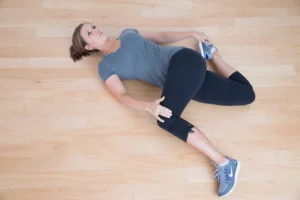

Exercise is just one part of your health. You also need to make healthy choices to keep your mind and body healthy. Starting a fitness program can seem daunting for beginners, but the first step is realizing that consistency and effort are more important than striving for perfection. Exercise is beneficial for your heart health, gives you energy, reduces stress, and makes you feel better. It also strengthens your bones and muscles, helps you manage your weight, and reduces your risk of chronic diseases. When you view fitness as a long-term goal instead of a short-term chore, it becomes a natural and enjoyable part of your daily life. The first step to becoming healthier, stronger, and more confident is understanding the importance of staying active.
Setting Realistic Fitness Goals
Setting realistic and achievable goals before you start exercising is crucial. Many beginners make the mistake of wanting immediate results, which can lead to frustration or exhaustion. Instead, set small, manageable goals, such as becoming stronger and more flexible or completing a certain number of workouts per week. Setting clear, achievable goals will help you stay motivated and know where you’re going. For example, you might aim to walk for 30 minutes three times a week and then gradually increase the duration or intensity. Clear goals will help you stay motivated and ensure your success is both tangible and enjoyable.
Choose the Right Exercise
If you’re just starting out in fitness, choosing an exercise that suits your interests and fitness level is crucial. You don’t have to start with intense workouts. Even light exercises like brisk walking, stretching, or yoga can be beneficial. A balanced fitness plan should include strength training, cardio, and flexibility training. Strength training builds muscle and bone strength, while cardio exercises like jogging or cycling are beneficial for your heart health. Yoga and stretching are two examples of flexibility training that can help you move better and prevent injuries. Try different exercises and see which one you enjoy most. If you enjoy working out, it’ll be easier to stick to your fitness goals.
Develop a Workout Plan
Developing a structured fitness plan can help you develop self-discipline and make the right choices. Start with short, easy workouts of 20 to 30 minutes a few times a week and gradually increase the duration and intensity. Instead of striving for perfection, focus on integrating fitness into your daily life. To stay fresh and work different muscle groups, vary your workouts throughout the week. For example, alternate between cardio, strength training, and flexibility exercises. A consistent schedule not only keeps you motivated but also helps you track your progress. Over time, your workout routine will become more natural, and you’ll notice improvements in your energy, endurance, and overall health.
Learn the Right Workout Techniques
Learning proper form and techniques is one of the keys to starting your fitness journey. Incorrect training methods can lead to injuries and slow your progress. Before increasing the weight or intensity of your workouts, always ensure that you have mastered the safe techniques for each exercise. You can seek help from a fitness coach, watch instructional videos, or take introductory classes. Using the right techniques ensures you train the right muscle groups and don’t overload your joints. Once you’ve mastered the basics, you can gradually increase the difficulty of your workouts. Good form is the foundation of exercise; it helps you train better and prevent injuries.
A Beginner’s Guide to Nutrition and Hydration
Exercise isn’t the only way to stay healthy; nutrition is just as important. A healthy diet provides your body with the energy and nutrients it needs to maintain bodily functions and promote recovery. Eat unprocessed, natural foods like fruits, vegetables, lean proteins, whole grains, and healthy fats. Don’t skip meals, especially before your workout, as your body needs energy to stay energized. Staying well-hydrated is also crucial for maintaining energy and preventing fatigue. Make sure you drink plenty of water throughout the day, especially before, during, and after your workout. Over time, small, consistent changes to your diet can significantly improve your fitness performance and overall health.
Overcoming Common Beginner Mistakes
It’s normal to make mistakes when you’re just starting out, but understanding them can help you avoid frustration. A common mistake is rushing, which can lead to injuries or overuse. Start with a low intensity and gradually increase it. Another mistake is comparing yourself to others. Everyone’s fitness journey is different, and the speed of progress depends on your goals and physical condition. You should consistently do warm-up and cool-down exercises, as neglecting them can lead to muscle soreness or stiffness. Finally, remember that consistency is more important than perfection. It’s better to have short, frequent workouts than long workouts interspersed with long rest periods.
Conclusion
This is one of the best things you can do for your health if you’re new to fitness. The key to fitness isn’t perfection, but steady progress in a better direction. Setting reasonable goals, following a balanced workout plan, eating healthy, and getting enough rest lays the foundation for lifelong fitness success. Remember that every workout is crucial, and every effort brings you closer to a stronger, healthier you. Fitness isn’t a goal but a journey that evolves as you grow, bringing countless physical and mental benefits along the way.
FAQs
1. How many days a week should a beginner work out?
Beginners should work out three to four times a week to allow time for rest and recovery.
2. Do I need to go to the gym to get in shape?
You can exercise without going to the gym. You can start at home with simple exercises like walking, stretching, or bodyweight training.
3. How long will it take to see results?
If you stick to a healthy diet and exercise plan, most people will notice changes in their physical and energy levels within four to six weeks.
4. Should I do strength training or cardio first?
The best approach is to combine both. Cardio helps you last longer, while strength training builds muscle and helps you stay healthy long-term.
5. What if I don’t want to exercise?
Review your goals, track your progress, and remember your original motivation. Finding a sport you enjoy can also help you stick with it.