
Proper nutrition forms the foundation of a healthy, vibrant life. What we eat directly impacts our energy levels, mood, immune system, and long-term health outcomes. Yet with so much conflicting information available, many people struggle to understand what truly constitutes a nutritious diet. This article will guide you through fundamental nutrition principles that can transform your health and well-being. By implementing these evidence-based strategies, you’ll develop sustainable eating habits that support your body’s needs and help you feel your best every day.
Understanding Macronutrients
Macronutrients are the primary building blocks of our diet, consisting of carbohydrates, proteins, and fats. Each plays a crucial role in maintaining optimal health and should be consumed in appropriate proportions. Carbohydrates serve as your body’s primary energy source, particularly for brain function and physical activity. Focus on complex carbohydrates found in whole grains, vegetables, and legumes rather than simple sugars that cause energy spikes and crashes. These nutrient-dense options provide sustained energy while delivering essential vitamins, minerals, and fiber that support digestive health and help regulate blood sugar levels.
Protein is essential for muscle maintenance, tissue repair, and immune function. Your body requires all nine essential amino acids, which can be obtained through complete proteins like eggs, fish, poultry, and dairy products. Plant-based sources such as quinoa, beans, and nuts can also provide complete proteins when combined strategically. Aim to include a protein source with each meal to support muscle synthesis, enhance satiety, and maintain stable blood sugar throughout the day.
Healthy fats are vital for hormone production, nutrient absorption, and brain health. Focus on unsaturated fats found in avocados, olive oil, nuts, and fatty fish like salmon. These beneficial fats support cardiovascular health and reduce inflammation throughout the body. Limit saturated fats and avoid trans fats, which can contribute to heart disease and other chronic health conditions when consumed in excess.
Micronutrients are Vital
While macronutrients provide energy and structure, micronutrients enable countless biochemical processes that keep your body functioning optimally. Vitamins and minerals may be needed in smaller quantities, but their absence can lead to serious health complications. Vitamin D supports bone health and immune function, while B vitamins are crucial for energy metabolism and nervous system function. Iron carries oxygen throughout your body, and calcium strengthens bones and teeth.
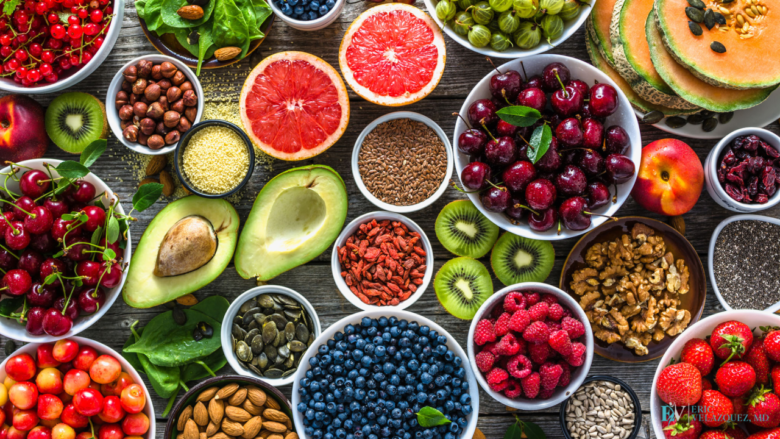
The best approach to ensuring adequate micronutrient intake is consuming a varied diet rich in colorful fruits and vegetables. Different colored produce contains unique phytonutrients and antioxidants that protect against disease and support cellular health. Dark leafy greens provide folate and iron, orange vegetables supply beta-carotene, and berries offer powerful antioxidants that combat inflammation and oxidative stress. Consider working with a healthcare provider to assess your individual micronutrient needs, especially if you follow a restrictive diet or have specific health conditions. Some people may benefit from targeted supplementation, but whole foods should always be the primary source of nutrients whenever possible.
Hydration is Key
Proper hydration is often overlooked but remains fundamental to optimal health. Water participates in virtually every bodily function, including temperature regulation, joint lubrication, nutrient transport, and waste elimination. Even mild dehydration can impact cognitive function, energy levels, and physical performance.
Most adults should aim for approximately eight glasses of water daily, though individual needs vary based on activity level, climate, and overall health status. Listen to your body’s thirst cues and monitor urine color as indicators of hydration status. Pale yellow typically indicates adequate hydration, while dark yellow suggests you need more fluids.
While plain water is ideal, you can also meet hydration needs through herbal teas, sparkling drinking water, and water-rich foods like cucumbers, watermelon, and soups. Limit sugary beverages and excessive caffeine, which can contribute to dehydration and provide empty calories that displace more nutritious options.
Mindful Eating Practices
How you eat matters just as much as what you eat. Mindful eating involves paying attention to hunger and fullness cues, eating slowly, and savoring your food without distractions. This practice can improve digestion, enhance meal satisfaction, and prevent overeating. Create a peaceful eating environment by sitting down for meals, putting away electronic devices, and focusing on the flavors, textures, and aromas of your food. Chew thoroughly and eat slowly to allow your brain time to register fullness signals, which typically take about twenty minutes to reach your consciousness.
Plan and prepare meals in advance to avoid impulsive food choices that often occur when you’re overly hungry or stressed. Having nutritious options readily available makes it easier to maintain healthy eating patterns even during busy periods. Consider batch cooking proteins, chopping vegetables in advance, and keeping healthy snacks accessible for times when you need quick nourishment.
Building Your Path to Better Health
Implementing these essential nutrition principles doesn’t require perfection or dramatic lifestyle changes. Start by making small, consistent improvements to your eating habits and gradually build upon your successes. Focus on adding nutritious foods rather than restricting everything you enjoy, and remember that sustainable change takes time to develop.
Your individual nutrition needs may vary based on age, activity level, health status, and personal preferences. Consider consulting with a registered dietitian who can provide personalized guidance tailored to your specific goals and circumstances. With patience, consistency, and the right approach, you can develop a nourishing relationship with food that supports your health and enhances your quality of life for years to come.
FAQs
1. How can I tell if I’m eating enough nutrients?
Monitor your energy levels, mood, and overall health indicators. If you feel consistently tired, experience frequent illness, or notice changes in hair, skin, or nails, you may have nutritional deficiencies. Consider tracking your food intake for a few days or consulting with a registered dietitian for personalized guidance.
2. Should I take supplements or focus on whole foods?
Whole foods should be your primary source of nutrients since they provide compounds that work synergistically and are generally better absorbed by the body. However, certain supplements like vitamin D, B12 for vegetarians, or omega-3 fatty acids may be beneficial depending on your individual circumstances and dietary patterns.
3. How do I maintain good nutrition while eating out?
Research restaurant menus in advance when possible, and don’t hesitate to ask about preparation methods or ingredient substitutions. Look for grilled, baked, or steamed options; request dressings and sauces on the side; and consider sharing large portions or taking half home for later.
4. What’s the best way to start improving my diet?
Begin with small, sustainable changes rather than overhauling your entire diet at once. Add one extra serving of vegetables per day, replace sugary drinks with water, or choose whole grain options instead of refined grains. Gradual changes are more likely to become lasting habits.
5. How important is meal timing for optimal nutrition?
While total daily intake matters more than specific timing, eating regular meals can help maintain stable blood sugar and energy levels. Many people benefit from eating every three to four hours, but find a pattern that works with your schedule and makes you feel your best.