
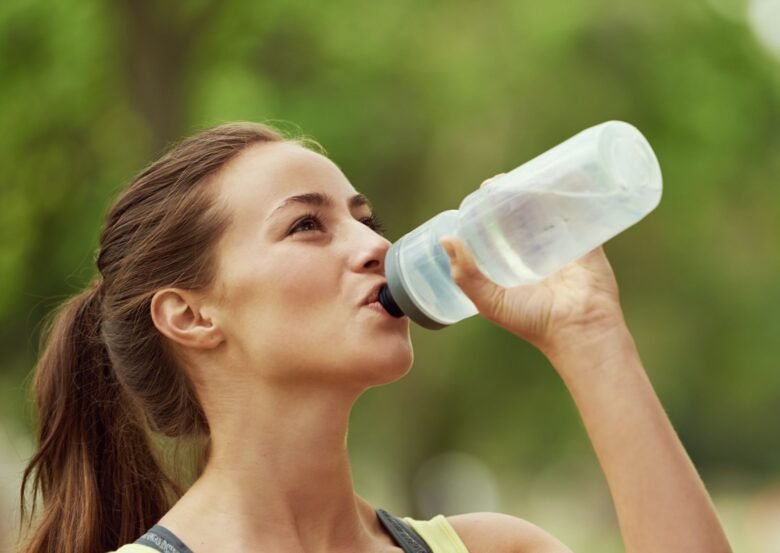
Water makes up roughly 60% of the human body, yet many people still underestimate its critical role in maintaining optimal health. Proper hydration affects everything from energy levels to cognitive function, making it one of the most fundamental aspects of personal wellness. Understanding why your body needs adequate water intake can transform how you approach daily health decisions and significantly improve your overall quality of life.
Understanding Your Body’s Complex Relationship with Water
Every cell, tissue, and organ in your body depends on water to function properly. Water serves as the body’s transportation system, carrying nutrients to cells while removing waste products through urine, sweat, and breathing. Your kidneys filter approximately 120–150 quarts of blood a day, requiring adequate hydration to perform this essential detoxification process effectively. Blood plasma, which is 90% water, maintains proper blood pressure and ensures oxygen reaches every part of your body. Additionally, water helps regulate body temperature through perspiration and respiration, preventing dangerous overheating during physical activity or hot weather.
Remarkable Health Benefits of Staying Well-Hydrated
Proper hydration delivers numerous health advantages that extend far beyond simply quenching thirst. Well-hydrated individuals typically experience improved cognitive performance, including better concentration, alertness, and short-term memory function. Research shows that even mild dehydration can reduce brain performance by up to 12%. Your digestive system also relies heavily on adequate water intake to produce saliva, break down food, and prevent constipation. Water helps maintain healthy skin by supporting collagen production and cellular regeneration, giving you a natural glow that expensive skincare products often promise but cannot deliver alone. Furthermore, proper hydration supports joint health by maintaining synovial fluid, which lubricates joints and reduces friction during movement.
Practical Strategies for Maintaining Optimal Hydration
Achieving proper hydration requires more than occasionally drinking water when you feel thirsty. By the time you experience thirst, your body is already showing early signs of dehydration. Start each morning with a large glass of water to replenish fluids lost during sleep. Keep a reusable water bottle nearby throughout the day as a visual reminder to drink regularly. Monitor your urine color as a hydration indicator—pale yellow suggests adequate hydration, while dark yellow indicates you need more fluids. Eating water-rich foods like watermelon, cucumbers, oranges, and soups can contribute significantly to your daily fluid intake. During exercise or hot weather, increase your water consumption to replace additional fluids lost through sweating.
Debunking Common Hydration Misconceptions
Several persistent myths about hydration can lead people astray from healthy drinking habits. The widely cited “eight glasses per day” rule oversimplifies hydration needs, which vary based on body size, activity level, climate, and overall health. Some people believe that caffeinated beverages dehydrate you, but research indicates that moderate coffee and tea consumption can contribute positively to daily fluid intake. Another misconception suggests that clear urine always indicates proper hydration, when extremely pale yellow is actually the healthier target. Many assume that feeling thirsty is an adequate hydration gauge, but this sensation occurs after dehydration has already begun. Sports drinks are often unnecessary for casual exercise sessions lasting less than an hour, as water typically provides sufficient hydration for moderate physical activity.
Transform Your Health Through Better Hydration Habits
Making proper hydration a daily priority can dramatically improve your energy, mental clarity, and physical performance. Start implementing small changes like drinking water before meals, setting hourly hydration reminders, or flavoring water with fresh fruits if plain water feels boring. Pay attention to how your body responds to improved hydration—you may notice better sleep quality, increased energy levels, and enhanced mood stability. Remember that developing consistent hydration habits takes time, so be patient with yourself as you build this essential wellness foundation.
FAQs
1. How much water should I drink daily?
Individual water needs vary based on factors like body weight, activity level, and climate. A general guideline is to drink when thirsty and monitor urine color for pale yellow, indicating proper hydration.
2. Can I drink too much water?
Yes, excessive water consumption can lead to water intoxication or hyponatremia, where sodium levels become dangerously diluted. This condition is rare but can occur when drinking extremely large amounts of water quickly.
3. Do caffeinated drinks count toward daily fluid intake?
Moderate amounts of caffeinated beverages like coffee and tea do contribute to overall fluid intake, despite their mild diuretic effect. The fluid content typically outweighs the fluid loss.
4. What are the signs of dehydration?
Common dehydration symptoms include dark urine, fatigue, dizziness, dry mouth, headaches, and decreased urination frequency. Severe dehydration requires immediate medical attention.
5. Are sports drinks better than water for hydration?
For most people engaging in moderate exercise under normal conditions, water provides adequate hydration. Sports drinks become beneficial during intense exercise lasting over an hour or in extremely hot conditions.