
Stress is unavoidable, but letting it control your life doesn’t have to be. Chronic stress wreaks havoc on your body and mind, contributing to issues like high blood pressure, weakened immunity, and mental exhaustion. Fortunately, there is good news! Small, consistent habits can make a real difference. Here are some practical stress reduction techniques that can help you feel calmer, healthier, and more in control.
Deep Breathing Exercises
When stress hits, your body activates its fight-or-flight response. Your heart rate increases, your muscles tense, and your breathing becomes shallow. Deep breathing exercises work by activating the parasympathetic nervous system, which helps your body relax. One effective method is diaphragmatic breathing, where you breathe deeply into your belly rather than your chest. Try this: sit comfortably, place one hand on your chest and the other on your stomach. Inhale slowly through your nose for a count of four, hold for four, then exhale through your mouth for another four counts. Repeat this cycle for five minutes. It sounds simple, but it’s surprisingly effective at calming your nervous system.
Mindfulness Meditation
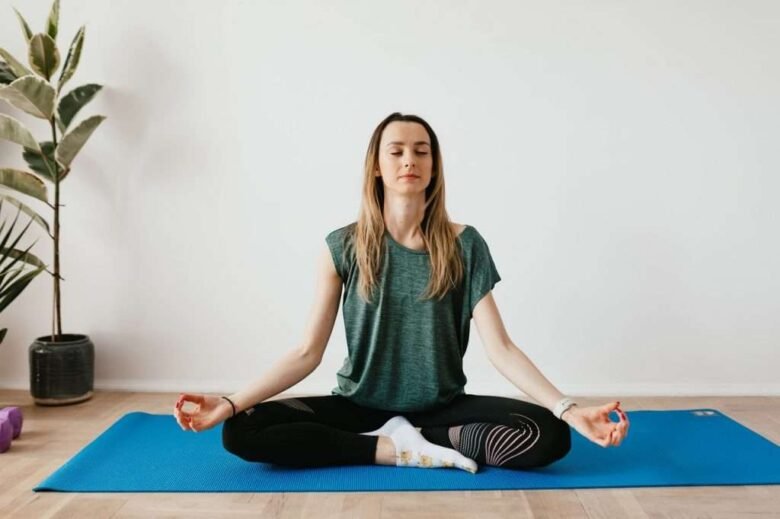
Mindfulness meditation is about staying present instead of worrying about the future or dwelling on the past. Studies have shown that regular mindfulness practice can reduce anxiety, improve focus, and even lower cortisol levels. You don’t need to sit in silence for an hour to see benefits. Start with just five minutes a day. Find a quiet space, close your eyes, and focus on your breath. When your mind wanders (and it will), gently bring your attention back without judgment. Apps like Headspace or Calm can guide you through the process if you’re new to meditation. The key is consistency. Even short daily sessions can train your brain to handle stress more effectively.
Physical Activity
Exercise is one of the most powerful stress relievers available. Physical activity releases endorphins, the body’s natural mood boosters, while also reducing levels of stress hormones like adrenaline and cortisol. You don’t need an intense workout to reap the benefits. A brisk 20-minute walk, a yoga session, or even dancing to your favorite music can help. The goal is to move your body in a way that feels enjoyable rather than exhausting. Regular exercise also improves sleep quality, which further enhances your ability to manage stress. If you struggle to stay motivated, try scheduling workouts like appointments or finding an activity you genuinely enjoy.
Nature Exposure
Spending time outdoors has a remarkable ability to reduce stress and improve mental clarity. Research suggests that being in nature lowers cortisol levels, decreases heart rate, and enhances overall well-being. Whether it’s a walk through a park, sitting by a lake, or simply tending to a garden, nature provides a mental reset that screens and indoor spaces cannot replicate. If getting outside regularly feels challenging, start small. Take your lunch break outside, open your windows to let in fresh air, or bring plants into your home. Even brief moments of connection with the natural world can have a calming effect.
Social Connections
Strong relationships act as a buffer against stress. Talking to a trusted friend, spending time with family, or even engaging in community activities can provide emotional support and perspective. Social interaction triggers the release of oxytocin, a hormone that reduces anxiety and promotes feelings of trust and safety. If you’re feeling overwhelmed, reach out. Sometimes, simply sharing what’s on your mind can lighten the load. If in-person connections are difficult, video calls or even a quick text exchange can help. The important thing is maintaining meaningful relationships rather than isolating yourself when stress builds up.
Take Control of Your Stress
Managing stress doesn’t require drastic lifestyle changes or hours of spare time. Simple practices like deep breathing, mindfulness, physical activity, spending time in nature, and staying connected with others can significantly improve your well-being. Start with one or two techniques that feel manageable, and build from there. Your health—both mental and physical—will thank you for it.
FAQs
1. How long does it take for stress reduction techniques to work?
Some techniques, like deep breathing, can provide immediate relief within minutes. Others, such as mindfulness meditation and regular exercise, may take a few weeks of consistent practice before you notice significant changes. The key is to stick with them.
2. Can stress reduction techniques replace therapy or medication?
While these techniques are highly effective, they’re not a substitute for professional treatment if you’re dealing with severe anxiety or chronic stress. They work best as part of a broader approach to mental health that may include therapy or medication when needed.
3. What’s the best stress reduction technique for busy people?
Deep breathing exercises are ideal for busy schedules because they take just a few minutes and can be done anywhere. Even a quick two-minute breathing session during a stressful moment can help reset your nervous system.
4. How often should I practice these techniques?
Daily practice yields the best results. Even small, consistent efforts—like five minutes of meditation or a short walk—can make a meaningful difference over time.
5. Can stress reduction techniques improve physical health?
Absolutely. Lowering stress levels can improve heart health, strengthen your immune system, enhance sleep quality, and reduce chronic pain. Managing stress isn’t just good for your mind; it benefits your entire body.