
Choosing to get fit is one of the best ways to start taking care of your health. Starting as a beginner, you may make mistakes that can impede your progress or cause injuries. These types of errors usually stem from a lack of guidance, unrealistic goals, or misinformation. This is why you must learn these errors so you can create a safe and effective plan. Doing fitness activities is one of the elements of a healthy lifestyle, and it is not just about challenging workouts or rapid results—habits that promote health, strength, and endurance take time to develop. By learning the most common errors, you will be able to avoid frustration and retain the motivation needed to become healthy.
Having Unrealistic Expectations
Beginners often make the mistake of trying to achieve goals that are too big to reach too quickly. A lot of people who work out start by wanting to lose a lot of weight or gain a lot of muscle in a few weeks. When there are no results in this short period of time, people get disappointed, lose the motivation, and quit. Fitness is a long and gradual process that requires a lot of patience and effort. It is dedication over the long haul of months that brings real results, not a few days. Progress will vary for every individual, and this is something we need to factor in. Motivational burnout is a real thing, and so is ‘achievable goal.’ Progress in the form of changes is equally important, and sometimes ‘small positive goals’ will make a big difference. Changes in flexibility and endurance are things that people often overlook, but they are as important as the changes in weight or muscle. It is important to focus on the positive and not lose the motivation.
Skipping Warm-Ups and Cool-Downs
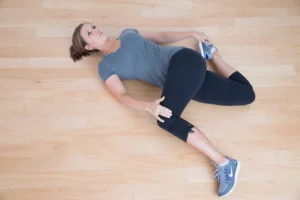
Even though beginners often forget to do them, warm-up and cooldown exercises are still an important part of any workout routine. Not doing warm-ups before working out can lead to injuries and muscle strains since the body hasn’t been prepared for exercise. Good warm-up exercises help raise the heart rate and increase blood flow and flexibility, making it easier for the body to exercise. Just as important, cooldowns help the body recover from a workout and decrease soreness. Cooldowns are even more valuable if they have stretching exercises, as they help improve the range of movement and reduce stiffness. A few extra minutes before and after a workout are of tremendous help in improving performance and safety.
Ignoring Proper Form and Technique
Many beginners focus on completing exercises as fast as they can. This would also lead to injuries and an inefficient workout. This poor form makes it likely that you won’t even work the right muscles and that your joints will take on extra strain. New gym-goers are also likely to lift too much weight too soon. It’s always better to start light, focus on form, and work your way up to heavier weights. Trainers and instructional videos can help you to learn the right standard and safe movement patterns. You’ll see that the right technique saves you some time, helps you get to your goal quicker, and most importantly, keeps you safe from injury.
Not Resting Enough and Overworking Yourself
When someone starts working out and is really excited to see changes, they might just think working out more and more every day is the golden ticket to quick results. But the body needs time to rest and recover to gain those results. Getting burnt out from working out, having bad muscle soreness, losing the ability to continue your workout routine, and injuring yourself are all results of working out too much. Your body is begging for a break. And of course, some time, even a couple of days of no workout routine. No rest; simply working out will spiral you into bad motivation for working out. Better workout plans are those that incorporate time to rest and recover.
Avoiding Nutrition and Hydration
Without proper nutrition and hydration, exercise will not help someone reach fitness goals. Most people new to fitness do not understand how important your nutrition has to be to reach your goals. Neglecting meals, eating too few calories, or eating junk food can harm progress. Food should be balanced to fuel and help the body recover. A diet should contain whole grains, lean meats, fruits, and vegetables. Hydration is also important because water is needed to help regulate body temperature, function the muscles, and prevent exhaustion. Without enough water, exercise will feel difficult even if you do your best. Fitness encompasses exercise, nutrition, and healthy habits. They should all work together.
Checking Out Progress for Others
It doesn’t take long for social media to become comparison tools. The lack of results in comparison to online influencers or gym enthusiasts can boom self-criticism for beginners. People really need to understand just how unique and personal one’s fitness journey can be. Fulfilling oneself can and probably will become unhealthy due to a lack of motivation. Comparing one’s fitness life to another for motivation is the least effective tactic. Progress is every bit of fitness. Celebrating personal victories can be as simple as a huge confidence boost or long. Endurance is a bee.
Eagerly Checking Out Progress for Others
It is pretty common for beginners to lose motivation in regard to tracking their personal progress. The motivation to move and the progress can easily be gauged by tracking workouts, measurements, or even how one feels after exercising. Progress tracking also helps with adjusting what works and what doesn’t. The motivation tracking centered on progress can be as simple as light-framed notes or a fitness app. The feeling of progress with heavier lifts or longer runs is attainable to all, and all should be encouraged to reach for the greater attained feeling. Having no way to track progress will result in a progress spiral.
Conclusion
It’s great to start a fitness journey, but it can be very exciting and challenging at the same time. Making the journey to fitness challenging but safe and fun can be a great experience. Fitness is not all about perfection, and there is no end goal. Self-awareness, consistency, and little progress over time are what count. Beginners can really see great improvements and results through goal setting, good rest periods, good and healthy eating, and consistency. Pay attention to your body, be patient, and remember that the best aspect of fitness is its focus on your health and happiness.
FAQs
1. What is the most common mistake beginners make in fitness?
Expecting results too quickly, and when they don’t see quick results, they lose motivation. Fitness requires a consistent amount of time to see results.
2. How can I avoid injury as a beginner?
By using the correct form, starting with lighter weights, and always including warm-up and cool-down. Strain can be a problem, but listening to your body can help avoid it.
3. How important is rest in a fitness routine?
Rest is very important, as it helps in recovery and allows your muscles to grow. Inadequate rest can decrease performance and increase the chances of injury.
4. Do I need a personal trainer to start?
Stay motivated by setting small goals that are easy to achieve. Make sure to keep track of all your progress, and please remember to reward yourself. Always look at how much you have improved and never compare yourself to others.