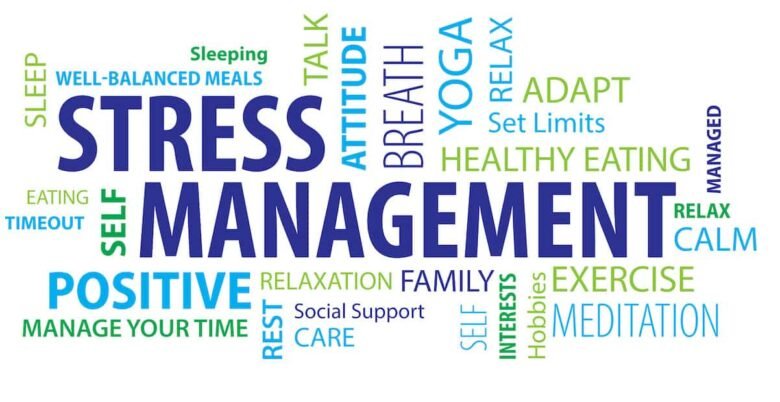
Stress is ubiquitous these days. Everyone experiences stress, whether it’s related to work, school, finances, or personal problems. However, chronic stress can harm both physical and mental health. The key to stress management is learning to manage stress, not eliminating it. Mental health is essential for a balanced life, increased productivity, and emotional stability. When you take care of your mind, your body, and your relationships thrive. Stress management doesn’t require radical changes—simple, consistent habits can help. This article explores some effective stress management and mental health strategies that will help you live a more peaceful, joyful, and fulfilling life.
Mindfulness Meditation:
Mindfulness is one of the best ways to reduce stress. Maintaining awareness—focusing on your breathing, thoughts, and experiences without judgment—is crucial. Meditation is a form of mindfulness that can relax the mind and body and reduce anxiety. A few minutes of deep breathing or meditation each day can effectively relieve stress. It helps your mind focus on the present, instead of the past or future. Research shows that mindfulness can improve your mood, focus, and emotional resilience. Guided meditation, yoga, or simply practicing mindfulness for a few minutes each day can improve thought clarity, calmness, and emotional control. Over time, mindfulness will become a natural way to calm your mind amidst chaos.
Exercise Frequently to Reduce Stress:
Exercise can reduce stress. It releases endorphins, which improve your mood and reduce stress. Regular exercise also improves your sleep, gives you more energy, and boosts your confidence. Even a 30-minute walk, a bike ride, or dancing to your favorite music can relieve tension. Exercise helps you forget about daily stress and refocus your attention. It also strengthens your body and mind, which promotes your overall well-being. Regular exercise increases your emotional resilience and acts as a natural barrier against stress and anxiety.
Get Enough Quality Sleep:
Sleep is crucial for stress management and mental health. Lack of sleep leads to anger, fatigue, and impaired decision-making. Chronic sleep deprivation raises cortisol levels, which triggers anxiety. Developing regular bedtime routines, avoiding electronic devices before bed, and creating a calm, comfortable resting environment can all improve sleep quality. Reading or taking deep breaths before bed can help you relax. Seven to eight hours of sleep a night can improve your mood, focus, and energy. Sleep deprivation can even drown out minor annoyances. Getting enough rest is one of the simplest and most effective ways to improve your mental health.
Balanced Diet:
Nutrition influences your mental health, but it’s often overlooked. A diet rich in fruits, vegetables, whole grains, lean proteins, and healthy fats can relieve stress. A nutrient-rich diet can improve your cognitive function, mood, and energy. Excessive caffeine, sugar, or processed foods can lead to anxiety and mood swings. Salmon, walnuts, and flaxseed are rich in omega-3 fatty acids, which contribute to brain health and help prevent depression. Dehydration can cause fatigue and irritability, so staying hydrated is crucial. Mindful eating and a healthy diet can make you feel more grounded, energetic, and emotionally stable, helping you manage stress better.
Build Connections and Supportive Relationships:
Interpersonal interaction is one of the best ways to relieve stress. Talking with friends, family, or colleagues can alleviate stress and help you clear your head. Strong support can reduce feelings of loneliness and provide comfort. Sharing your thoughts and feelings can reduce mental stress. Social activities release oxytocin, which reduces stress and promotes trust and calm. Spending time with family, joining a neighborhood club, or volunteering can all help improve your mood. Being surrounded by positive and kind people can reduce feelings of loneliness and give you more confidence to face life’s challenges.
Set Realistic Goals and Prioritize Tasks:
Unrealistic expectations create stress. When your to-do list feels overwhelming, break it down into manageable chunks and focus on one at a time. Prioritizing keeps you organized and prevents burnout. Setting reasonable goals provides direction and a sense of accomplishment, while overcommitment leads to frustration and exhaustion. Balance is key: learn to say “no” when necessary and know your limits. Time management and setting boundaries minimize stress, giving you time to rest and relax. This approach can improve productivity, mental clarity, and emotional stability.
Take Breaks and Practice Relaxation Techniques:
Constant work drains energy and increases stress. Focus and creativity require regular breaks. Rest, such as a brisk walk, stretching, or deep breathing, can refresh your mind. Progressive muscle relaxation, aromatherapy, and soothing music can help relieve tension. Taking short breaks throughout the day can prevent burnout and help the brain recover. By relaxing daily, you can train your body to naturally release stress, which improves your mood and focus.
Reduce Screen Time and Electronic Overload:
Prolonged use of phones, laptops, and televisions can lead to stress and anxiety. Information overload, social media stress, and frequent updates make it difficult to relax. Reduce screen time and create “technology-free” zones during meals and before bed to achieve mental balance. Offline time helps you connect with yourself and others. Activities that are beneficial for your mental health include reading, journaling, and outdoor activities. Reducing screen time can improve your sleep, relieve eyestrain, and enhance your daily focus.
Experience Nature:
Nature can calm the mind. Walking in a park, hiking, or sitting quietly by the water can reduce stress and improve your mood. Fresh air, sunlight, and green spaces can reduce anxiety, boost creativity, and enhance your well-being. Research shows that even a few minutes in nature can lower blood pressure and relax the mind and body. Nature encourages us to slow down, breathe deeply, and appreciate its beauty. Outdoor activities contribute to mental health and allow us to temporarily escape daily stress.
Seek Professional Help When Needed:
Stress and anxiety are not reasons to avoid professional help. Your therapist, counselor, or mental health professional can offer you personalized tools and strategies. Talking to a professional helps you identify sources of stress and develop better coping skills. Professional help can be crucial when self-help methods fail. Seeking help demonstrates strength and self-awareness, not weakness. This step can help you regain control of your emotions, strengthen relationships, and find balance.
Conclusion:
Managing stress and improving your mental health requires patience, self-awareness, and perseverance. It requires making appropriate and conscious choices to nourish your mind and body. Every step—whether mindfulness, exercise, or social interaction—can improve mental and physical balance and bring inner peace. Take breaks, seek support, and value your mental health without shame. Your greatest strength lies in a calm mind, allowing you to face challenges with clarity, perseverance, and unwavering confidence. By integrating these effective practices into your daily life, you can manage stress and build lasting well-being and a positive emotional state.
FAQs:
1. What causes the most stress?
Work stress, financial problems, academic obstacles, interpersonal difficulties, and health issues can all lead to stress.
2. How does stress affect mental health?
Chronic stress can lead to anxiety, sadness, sleep problems, and difficulty concentrating, all of which affect mental health.
3. How does mindfulness relieve stress?
Mindfulness reduces overthinking and calms the mind, which reduces stress and improves emotional control.
4. Can exercise relieve stress?
Regular exercise releases endorphins, which improve mood, sleep, and tension. It’s therefore an excellent natural way to reduce stress.
5. When should I seek professional help for stress?
If stress is affecting your daily life, interpersonal relationships, or health, consult a mental health professional.